

Tour To The Ballestas Islands
Discover Peru’s incredible marine wildlife, sea lions, penguins, and the mysterious Candelabra geoglyph on an unforgettable Tour to the Ballestas Islands.
Trip essentials
Duration
2 hours
Tour Type
Ecological
Travel Style
Comfort
Physical Rating
Easy
Starting from
Tour To The Ballestas Islands
Discover Peru’s incredible marine wildlife, sea lions, penguins, and the mysterious Candelabra geoglyph on an unforgettable Tour to the Ballestas Islands.

Tour To The Ballestas Islands is a private single tour of 2 hours, departing from your hotel in Paracas. Price from US$ 29 per person, with online booking and instant confirmation.
“Discover the Ballestas Islands: A Spectacular Journey Through Peru’s Legendary Marine Wildlife, Ancient Mysteries, and Natural Wonders”
“Discover the Ballestas Islands, Peru’s Wildlife Paradise”
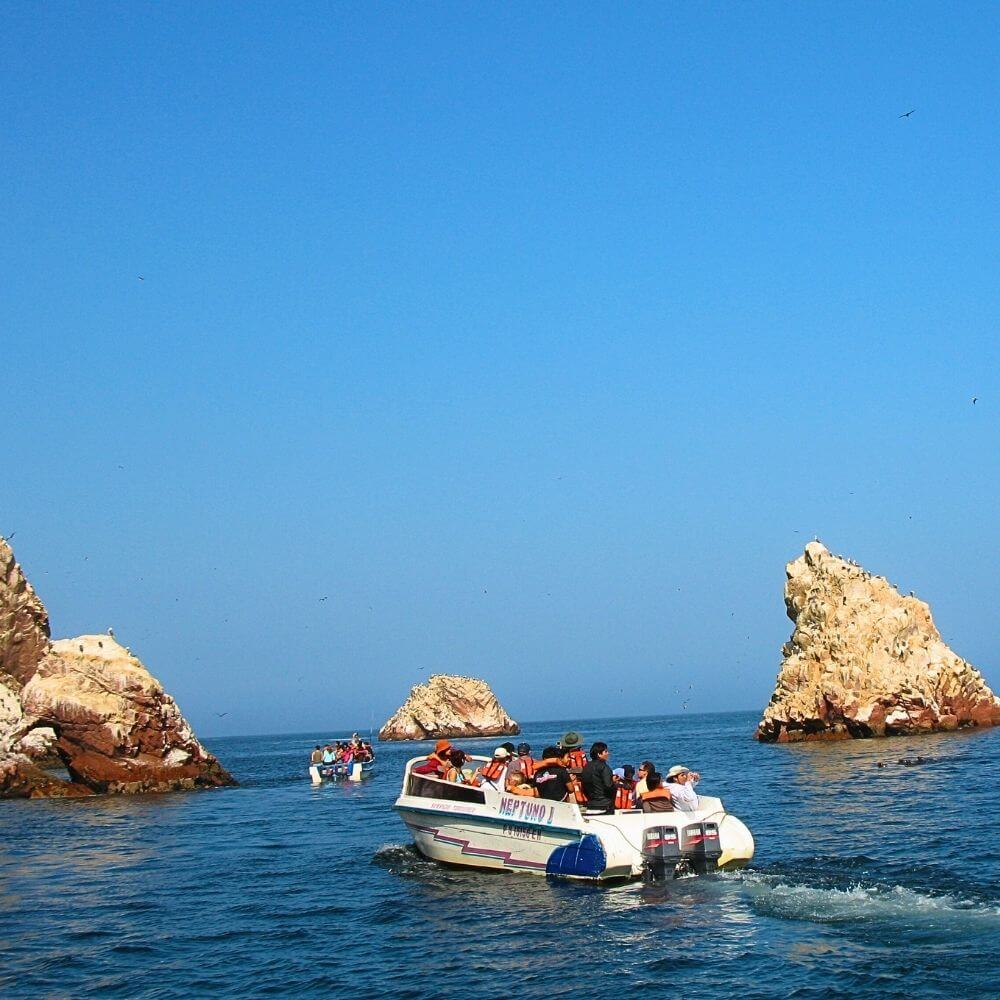
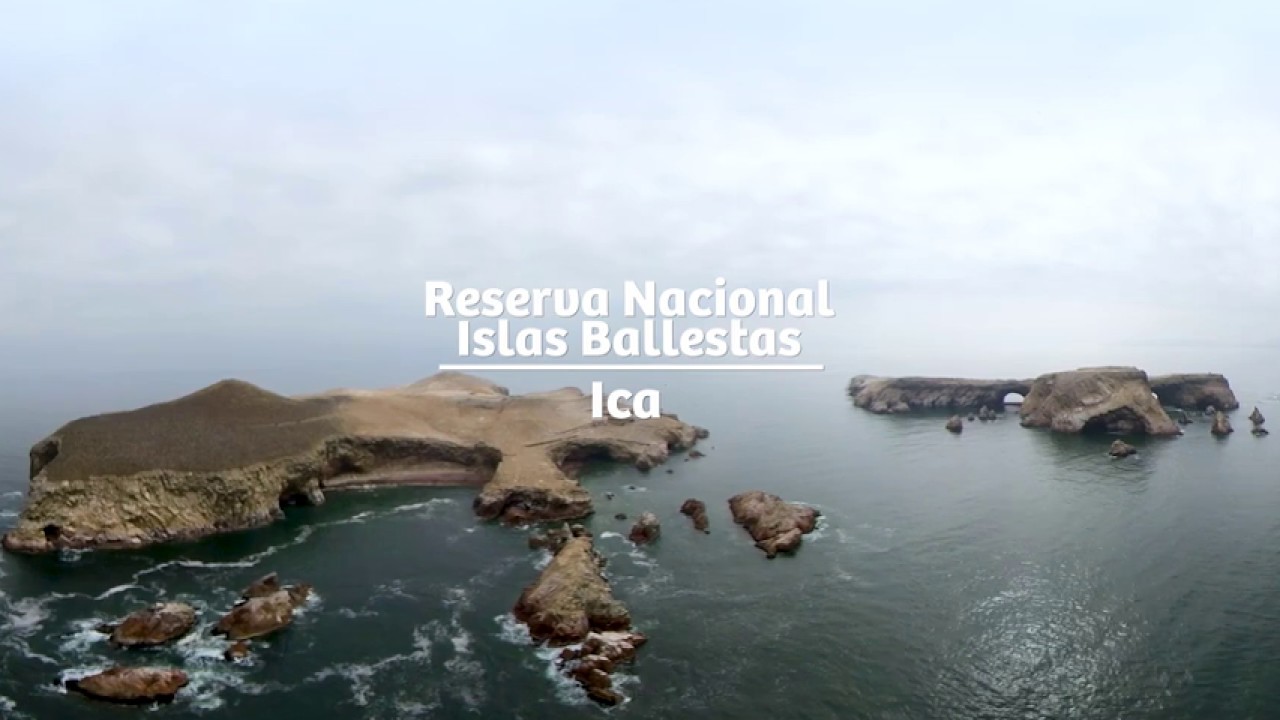
Often called the “Little Galápagos of Peru,” the Ballestas Islands are one of South America’s most extraordinary natural treasures. Rising dramatically from the Pacific Ocean just off the coast of Paracas, these protected rocky islands shelter an astonishing concentration of marine life found nowhere else along Peru’s coastline. During your boat excursion, you’ll cruise through breathtaking sea caves, towering cliffs, and natural arches while witnessing one of the richest marine ecosystems in the Humboldt Current. For nature lovers, photographers, and adventurous travelers alike, visiting the Ballestas Islands is an unforgettable experience that reveals Peru far beyond its ancient civilizations.
“The Enigmatic Candelabra, A Mystery Carved into the Desert”
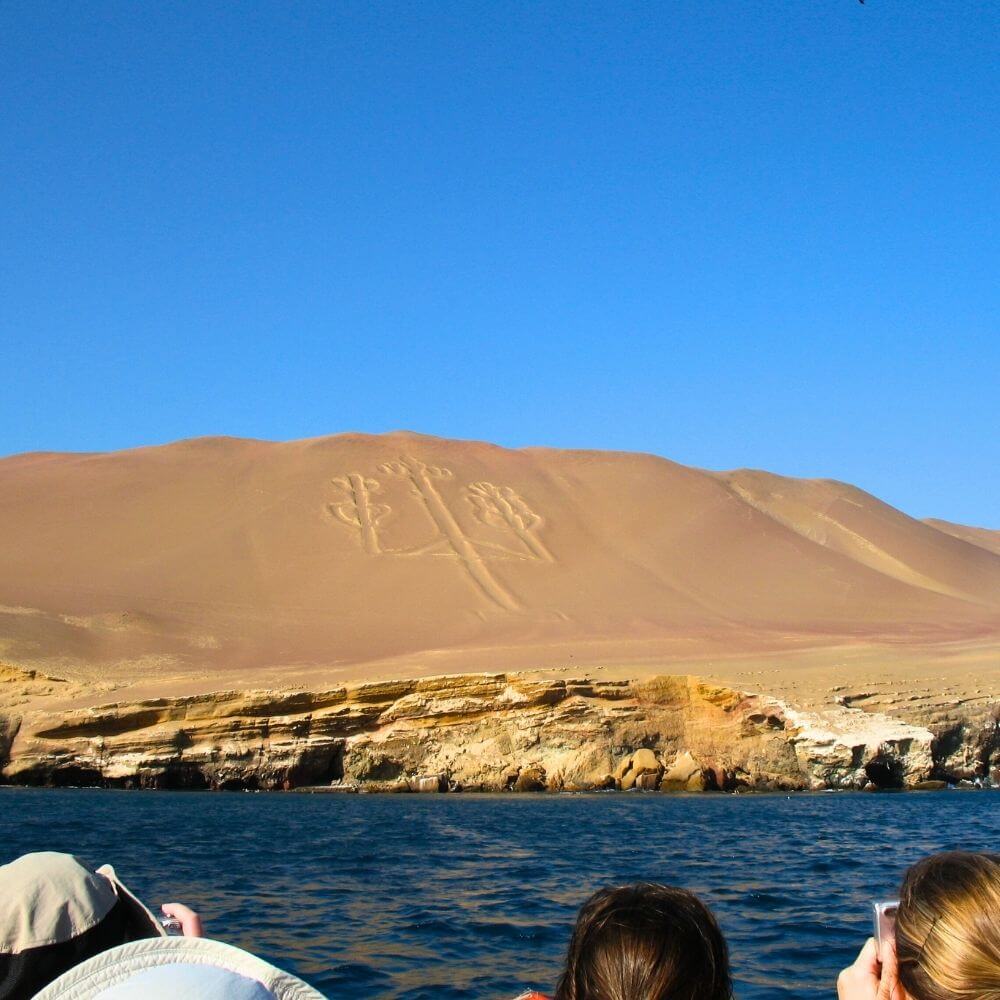
Long before reaching the islands, your attention is drawn to one of Peru’s greatest unsolved enigmas, the immense Candelabra geoglyph etched into the sandy hillside of the Paracas Peninsula. Measuring nearly 180 meters (590 feet) high, this colossal figure has fascinated explorers, archaeologists, and historians for centuries. Was it a navigational beacon for ancient mariners, a sacred symbol of the Paracas culture, or perhaps connected to the famous Nazca Lines? Despite numerous theories, no definitive explanation exists. Its mysterious origin continues to captivate visitors, making it one of the most intriguing landmarks along Peru’s southern coast.
“Witness the Kingdom of Peru’s Sea Lions, One of South America’s Largest Sea Lion Colonies”
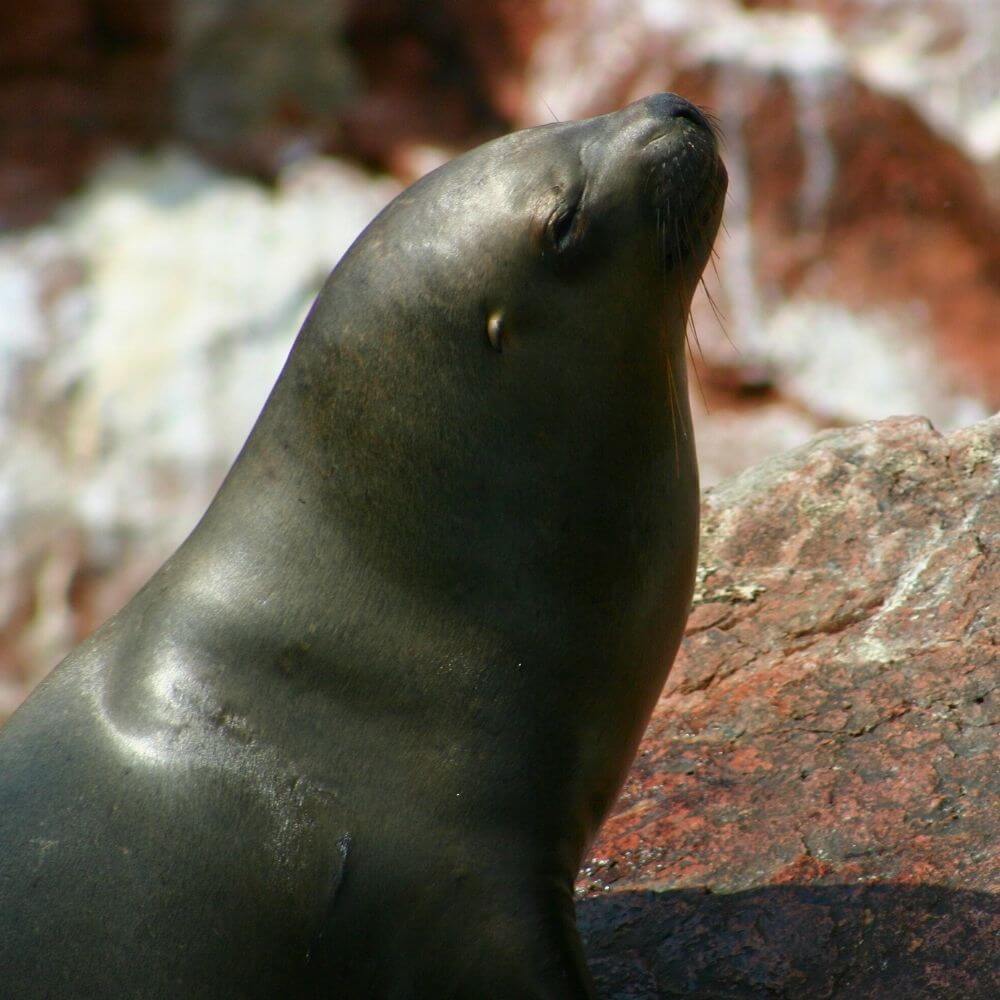
The Ballestas Islands are home to thousands of South American sea lions, whose colonies thrive along the rocky shores and secluded beaches. As your boat approaches, you’ll hear their unmistakable calls echoing across the cliffs while watching playful pups swim alongside adults basking in the sun. Their curious and energetic behavior provides incredible opportunities for wildlife observation and photography. Seeing these magnificent marine mammals in their natural habitat is undoubtedly one of the highlights of the journey.
“The Humboldt Penguin: A Rare Treasure of Peru’s Pacific Coast”
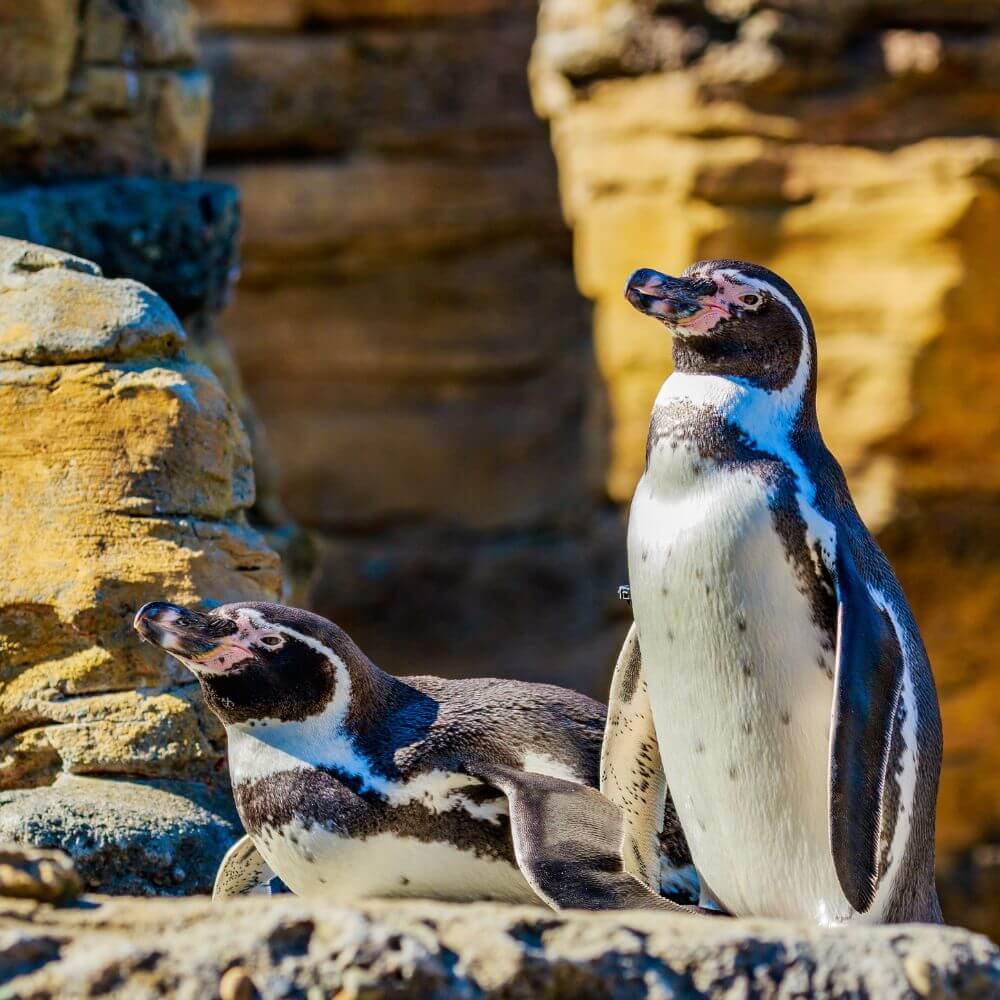
One of the greatest surprises awaiting visitors is the chance to observe the remarkable Humboldt penguin. Native to the cold waters of the Humboldt Current, these charming birds are among the rarest penguin species in the world. Unlike their Antarctic relatives, Humboldt penguins have adapted perfectly to Peru’s rugged coastline, nesting among rocky crevices and venturing into the nutrient-rich ocean in search of fish. Spotting these endangered penguins in the wild is a memorable privilege for every traveler visiting the Ballestas Islands.
“The Guanay Cormorant and Peru’s Legendary Guano”
Few birds have shaped Peru’s history as profoundly as the Guanay cormorant. Large colonies of these remarkable seabirds inhabit the Ballestas Islands, producing the nutrient-rich guano that has been harvested for centuries as one of the world’s finest natural fertilizers. During the 19th century, guano became one of Peru’s most valuable exports, transforming the nation’s economy and agriculture worldwide. Today, carefully managed extraction continues under strict environmental protection, preserving both the bird populations and this extraordinary natural resource for future generations.
“A Haven for Pelicans, Inca Terns, and Countless Seabirds”
Beyond its famous sea lions and penguins, the Ballestas Islands are a sanctuary for an astonishing diversity of birdlife. Elegant Peruvian pelicans soar effortlessly above the waves, while the unmistakable Inca tern, recognizable by its striking white mustache, adds a touch of elegance to the rugged cliffs. Alongside them, you’ll encounter Peruvian boobies, gulls, turkey vultures, cormorants, and many other native seabirds that depend on the abundant marine ecosystem created by the Humboldt Current. Together, they transform the Ballestas Islands into one of South America’s finest destinations for birdwatching, wildlife photography, and unforgettable encounters with nature.
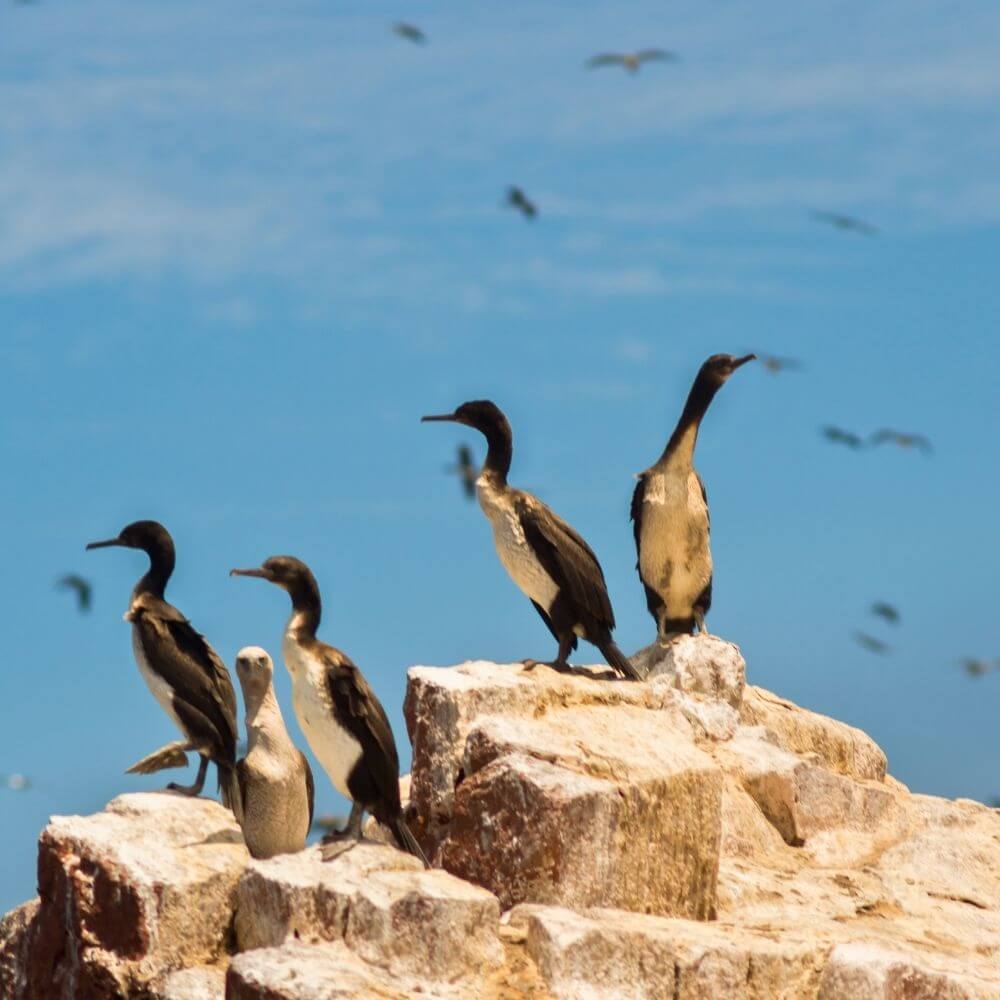
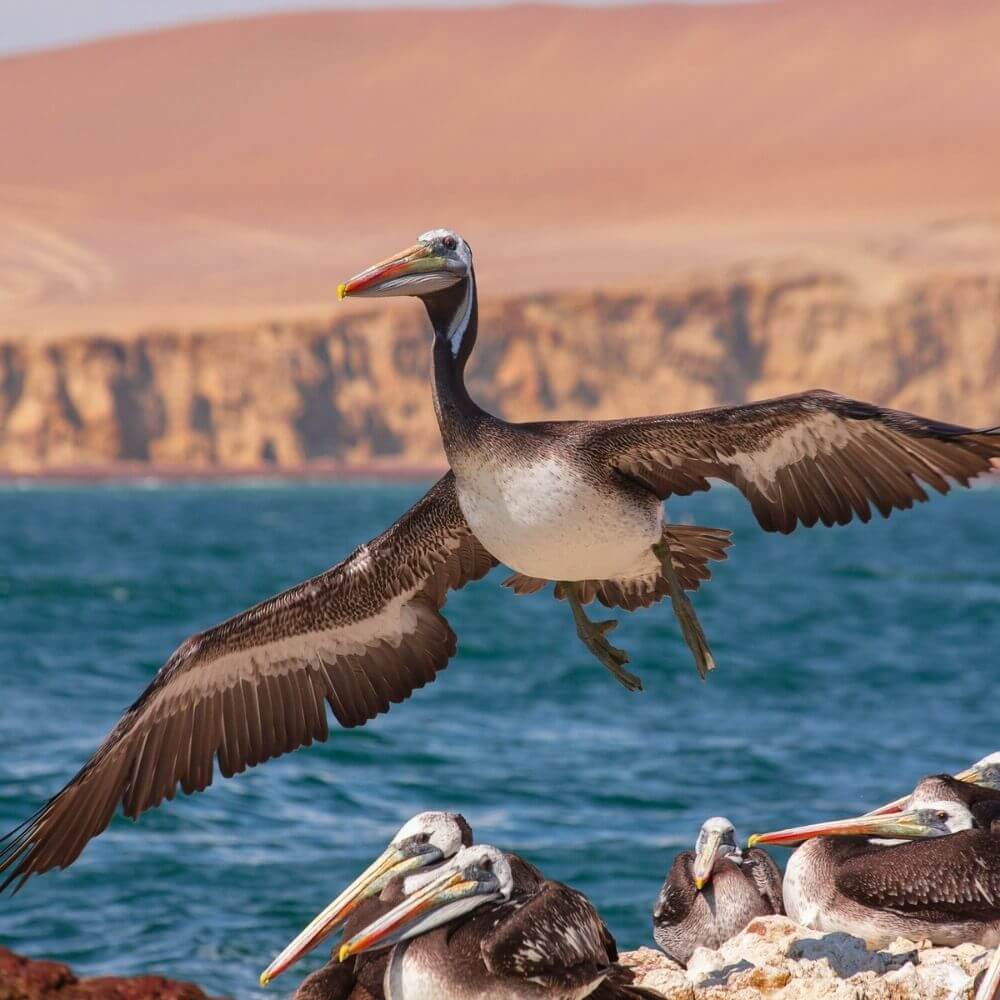
Begin your adventure with hotel pickup in Paracas and a short transfer to the harbor, where you’ll board a comfortable speedboat for an unforgettable 2-hour wildlife cruise. First, admire the mysterious Candelabra geoglyph before continuing to the spectacular Ballestas Islands, home to sea lions, Humboldt penguins, Guanay cormorants, pelicans, Inca terns, and hundreds of other marine birds. After exploring one of Peru’s richest coastal ecosystems, you’ll return to the harbor in Paracas.
- Starting PointYour hotel in Paracas.
- Duration2 hours.
- Departure8:00 AM
- LanguageEnglish

Starting Point
Your hotel in Paracas.

Tour Duration
2 hours.

Departure Times
08:00 h. / 10:00 h.

Language
English
What's Included
- Hotel pickup from your accommodation in Paracas.
- Round-trip transfers between your hotel and the Paracas Harbor.
- Comfortable 2-hour speedboat tour to the Ballestas Islands.
- Professional English-speaking local guide.
- Certified captain and experienced boat crew.
- Modern speedboat equipped with comfortable seating.
- Life jackets and all required safety equipment.
- All local taxes and harbor fees.
What's Not Included
- Extras and gratuities.
Sea Transport
Years of Experience
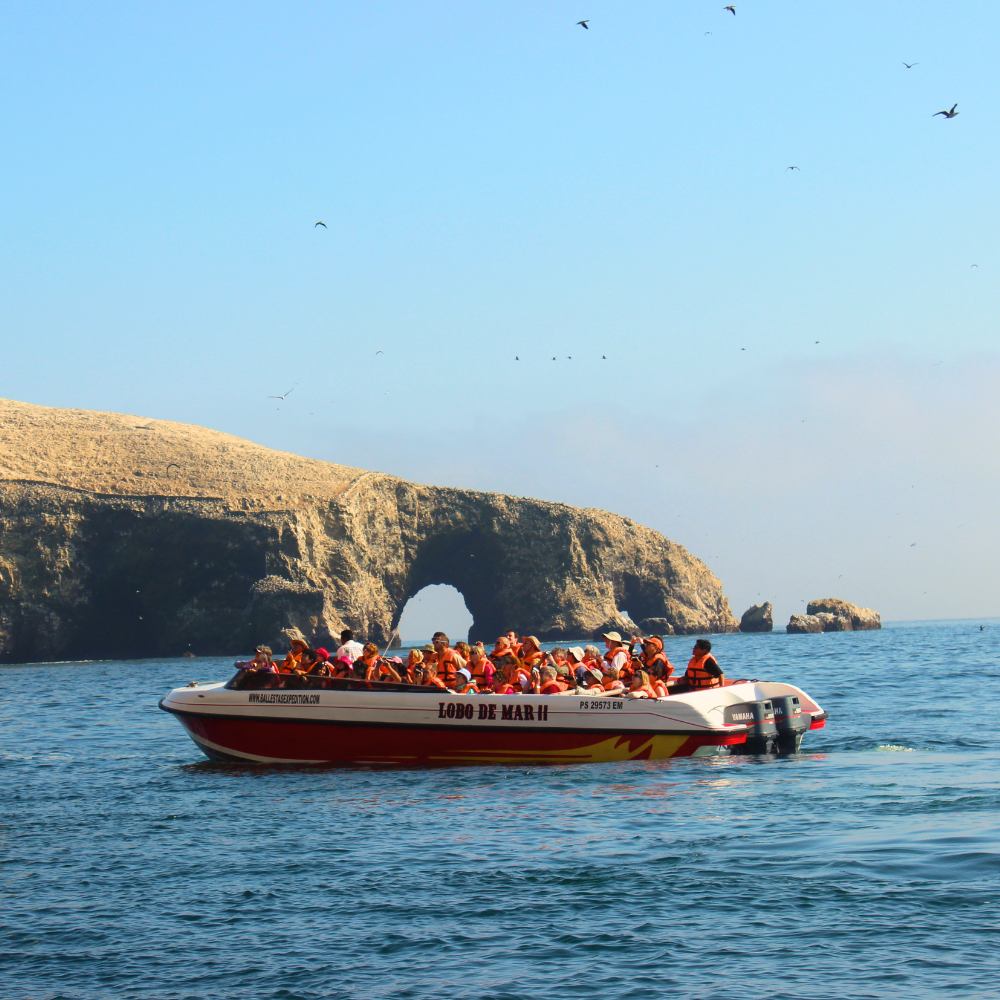
Ballestas Islands Boat Tour
Comfortable and safe coastal navigation
What to expect:
Modern and fully equipped speed boats.
Comfortable seats and excellent ocean views.
Certified life jackets for all passengers.
Experienced local captain.
Guide
Expert Wildlife Guide
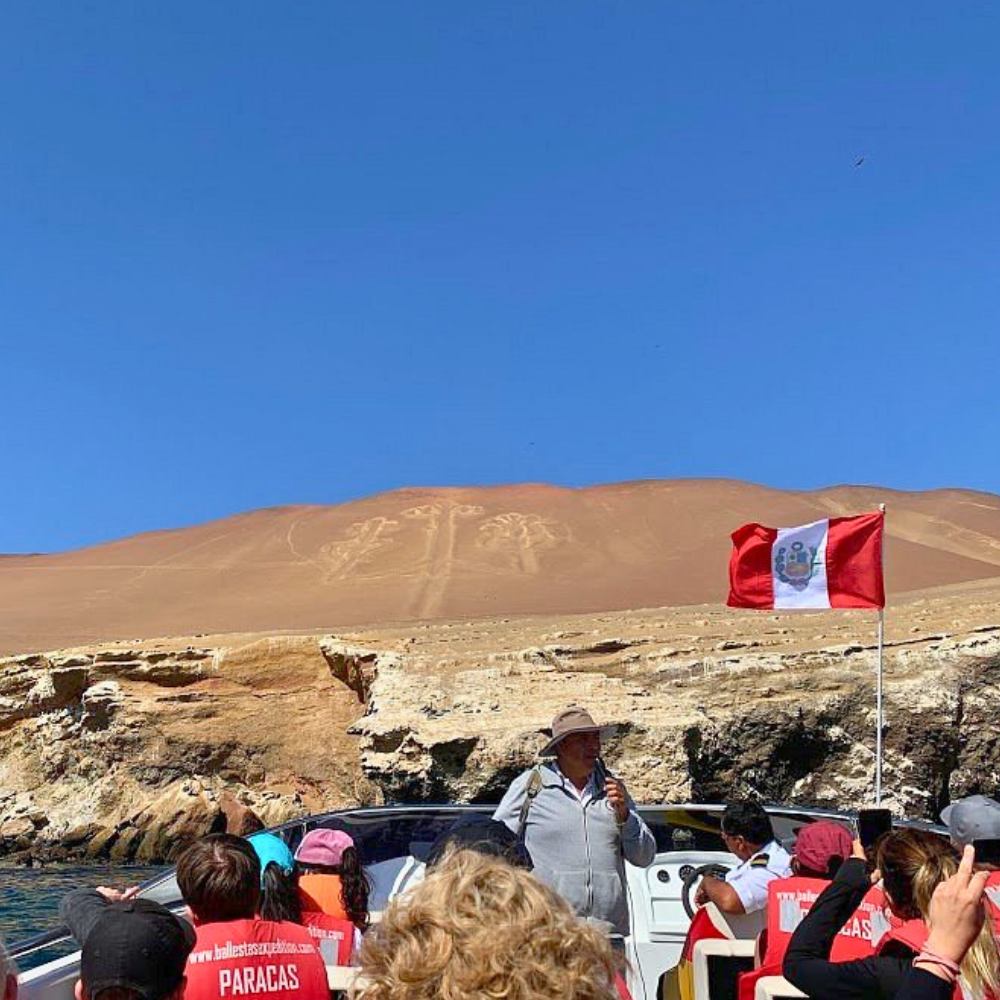
Local Guide
Professional local guidance throughout the experience
What to expect:
Friendly and experienced local guide.
Interesting explanations about Paracas and its wildlife.
Guidance during the Ballestas Islands excursion.
Download Tour PDF
Download this tour PDF brochure and start planning offline


Elizabeth G. / USA
“The boat tour to the Ballestas Islands was incredible! We saw penguins, sea lions, and countless birds up close. The guide was knowledgeable, and the scenery was breathtaking. A must-do in Paracas”

Grek F. / / Canada
“Amazing experience! The boat tour to the Ballestas Islands offered stunning views and wildlife sightings. Seeing the Candelabro geoglyph and the playful sea lions made it unforgettable”
Select the day you would like to enjoy this experience.
Selected: October 21st, 2026


