
Travelling to Peru over 60: a relaxed, private plan from Canada
· 7 min read

Yes, Peru works beautifully after 60, as long as you control the pace. The recipe is simple: a Peru private tour for seniors with door-to-door transfers, the coast and Nazca first, Cusco later so your body can adjust to altitude, and at least one easy day after every big one. Here is how we plan it for travellers flying in from Toronto, Montreal, Vancouver or Calgary.
Why a Peru private tour for seniors makes sense
On a group tour, the bus leaves at the time printed on the schedule, whether you slept well or not. On a private tour, the car, the guide and the timing are yours. For older travellers that flexibility is the whole point: you can start later, stop more often, skip a staircase and linger over lunch without holding anyone up.
- Door-to-door service. Your driver meets you at the hotel, not at a meeting point across town.
- Your own guide. Questions get answered at your speed, in English, and the visit adapts to your energy that day.
- Flexible timing. Rest days and late starts can be built in from the start.
If you are still weighing the two formats, our guide on private vs group tours in Peru compares them side by side.
Pace: fewer places, more time in each
The most common mistake we see is trying to fit Lima, the coast, Cusco, Machu Picchu and Lake Titicaca into ten days. It looks good on paper and feels exhausting on the ground. A relaxed plan picks three or four bases and gives each one room to breathe.
Start with the flight itself. Air Canada's direct Lima route is seasonal: on the 2025 to 2026 winter schedule, the Toronto flight landed at 06:10 and the Montreal flight at 02:15, and the route returns in late October 2026 with three flights a week. Arrivals like these call for a quiet first day: check in, nap, then a short walk. In winter, Ontario and Quebec share the same clock as Lima, so there is no jet lag to fight, only a short night.
- Plan one full rest day or half day after every long travel day.
- Keep early starts for the days that truly need them, such as a Nazca flight.
- Leave afternoons free in Cusco; that is when altitude makes you feel most tired.
Altitude and acclimatization: start low, go high later
Altitude is the one issue older travellers should plan around from day one. The Government of Canada notes a risk of altitude sickness from 2,500 m, which includes Cusco, Puno and Lake Titicaca. Cusco sits at about 3,400 m. Lima, Paracas and Nazca, by contrast, are at or near sea level (Nazca is around 520 m).
That is why our plans for travellers over 60 put the coast first. You land, recover from the flight and enjoy several comfortable days before going up to the Andes. Once there:
- Take your first Cusco day slowly: a short walk, a light meal, an early night.
- Machu Picchu is lower than Cusco (2,453 m at the Sacred Plaza, according to the regional culture office), so it often feels easier than the city itself.
- Talk to your doctor before the trip, especially if you have heart or lung conditions or take regular medication.
Our guide to altitude sickness in Cusco covers symptoms and prevention in more detail.
Hotels and private transfers
Comfort on a trip like this comes from the small things. When we book hotels for older travellers, these are the questions worth asking:
- Is there an elevator, or can we get a room on a low floor?
- Is the hotel close to where the day's visits start, so drives stay short?
- Can we check in early after an overnight flight?
Transfers matter just as much. On our Nazca Lines Tour From Lima, a private vehicle picks you up at your Lima hotel, drives you to Pisco Airport and brings you back, with the flight over the lines in between. It is rated easy and costs from USD 550 per person. You never have to find a bus terminal or carry bags through a station.
Insurance, passport and paperwork
The practical side is straightforward for Canadians, but check it early:
- No tourist visa is needed for stays under 90 days in a 365-day period.
- Passport valid for at least six months after your arrival date; airlines may also ask for a return or onward ticket.
- Travel insurance with medical evacuation and hospitalization is recommended by the Government of Canada. Check age limits and pre-existing condition clauses in your policy before you pay.
- Carry your prescriptions in their original packaging, with enough for a few extra days.
For flights, visas and seasons in more depth, see travelling to Peru from Canada.
Nazca the comfortable way
Nazca is a highlight of any southern Peru trip, and it can be done comfortably at any age with the right format. You have two main options:
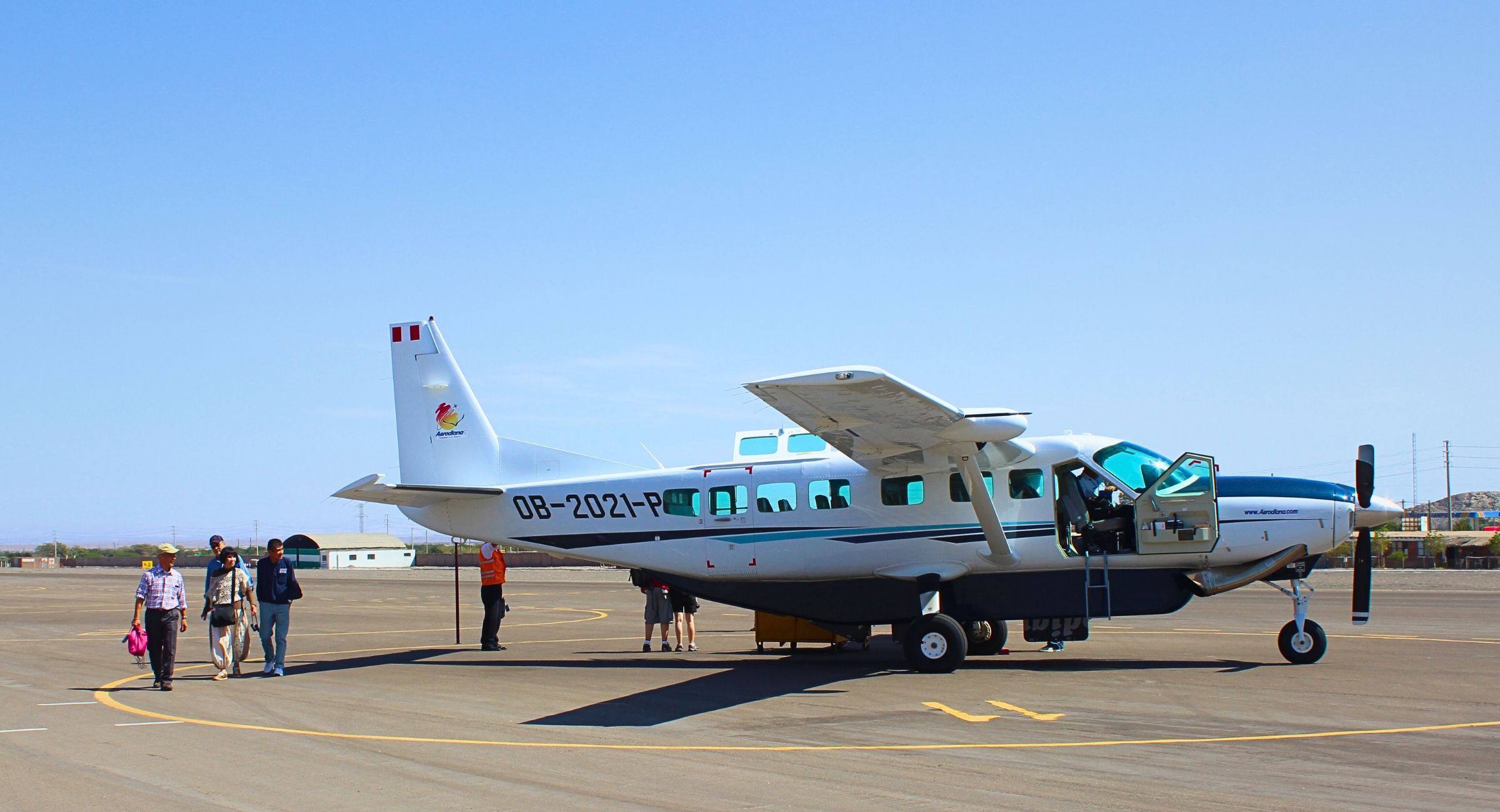
- From Pisco. The Government of Canada describes Pisco International Airport as the safest option for Nazca overflights and advises using a certified operator. The scenic flight from Pisco Airport lasts about 1 hour 40 minutes in the air, from USD 350.
- From Nazca. The Nazca Lines Flight is shorter, about 35 minutes, from USD 100, but reaching Nazca from Lima means roughly 6 to 7 hours by road. For older travellers, that drive is best split with a night on the coast.
A few tips from our own flight notes: arrive 30 minutes early, eat something light, and if you are prone to motion sickness, take your medication about 30 minutes before boarding. Flights only leave with enough visibility, so morning fog can cause delays. Small planes also have a weight limit per passenger, so tell us in advance and we will confirm the details with the airline.
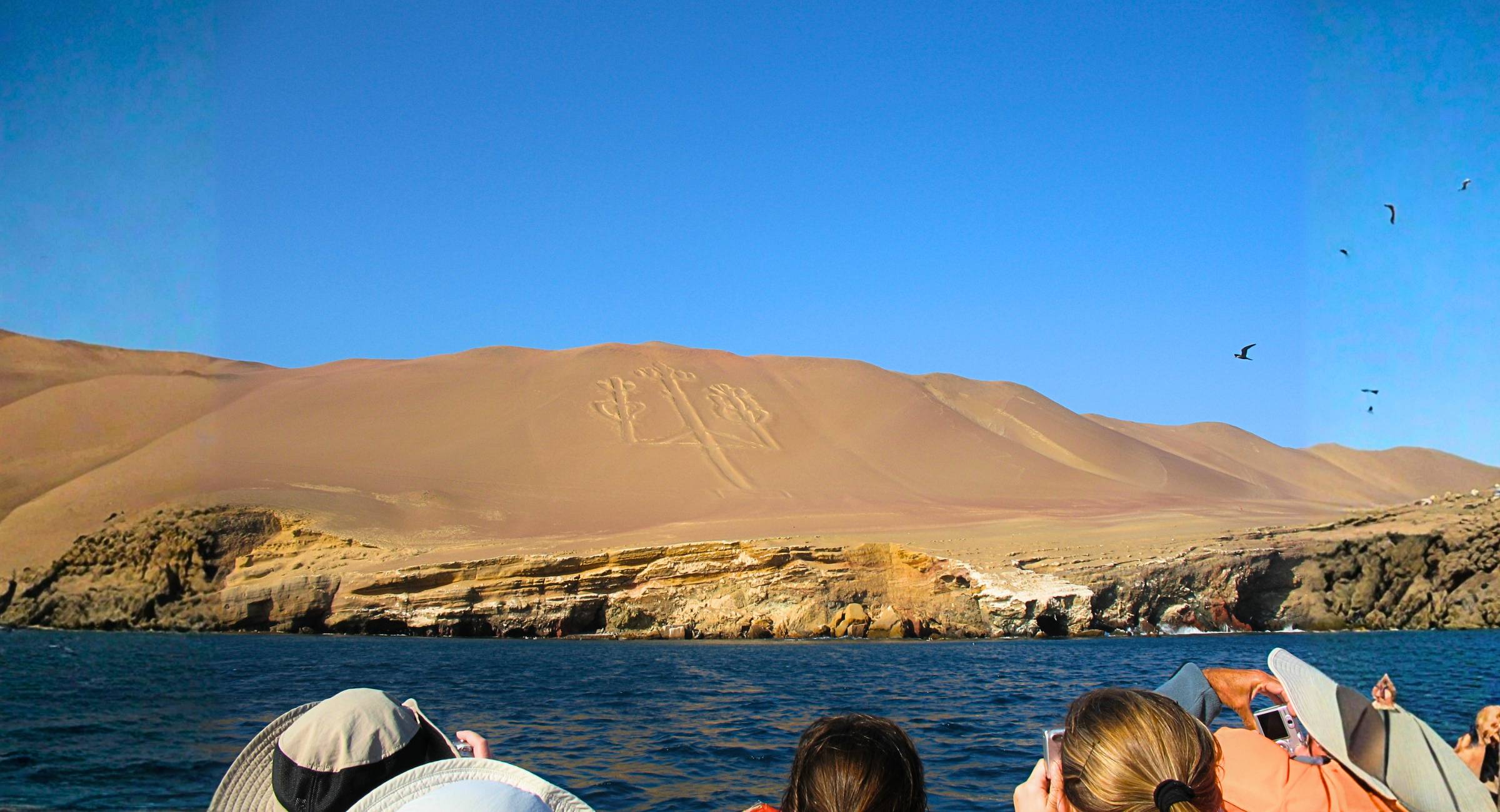
Prefer to see more of the coast along the way? The two-day Paracas And Nazca Lines Tour, from USD 495, combines the Ballestas Islands, the Huacachina oasis and the Nazca flight with a private English-speaking guide and a night in Nazca in between. Browse every option on our Nazca Lines tours page.
A gentle 11-day plan: Lima, the coast, Nazca and Cusco
This is the kind of route we suggest to Canadian travellers who want to see a lot without rushing. Every day can be adjusted.
- Day 1: Arrive in Lima, private transfer, rest.
- Day 2: Late morning City Tour of Lima (about 4 hours, from USD 69), afternoon free.
- Days 3 and 4: Private drive south, the Ballestas Islands and the Nazca flight, with a night on the coast.
- Day 5: Back to Lima at an easy pace; optional evening Lima Tour By Night.
- Day 6: Fly to Cusco, then a very quiet afternoon.
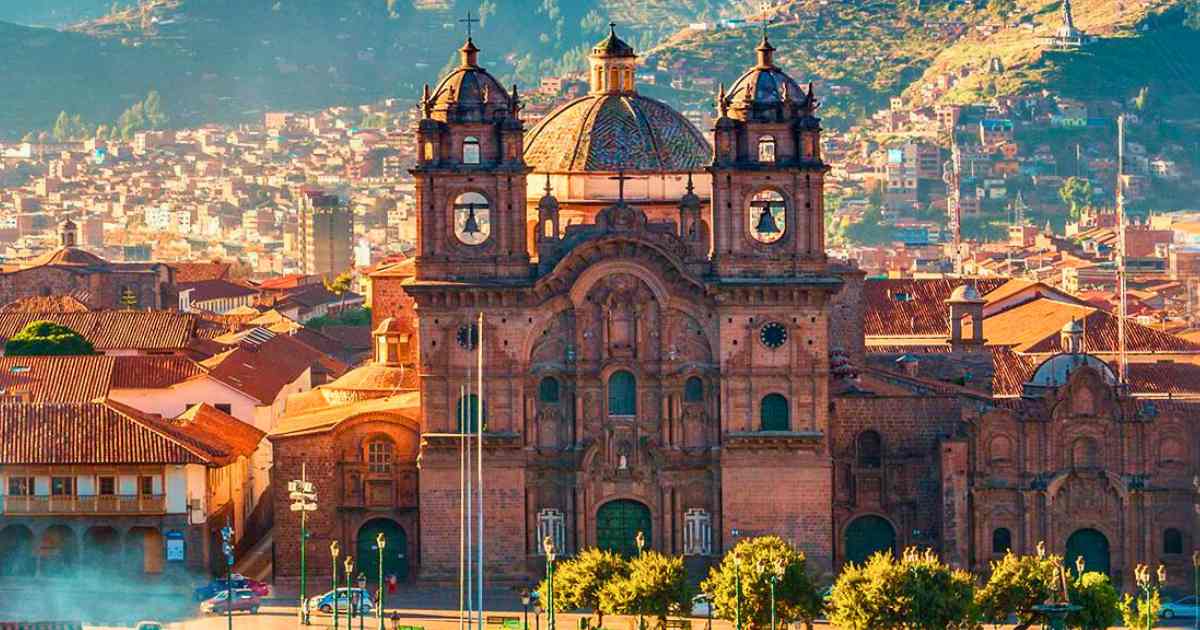
- Day 7: Rest morning, short guided walk around the Plaza de Armas.
- Days 8 and 9: Machu Picchu Tour By Train, spread over two days instead of a single long one.
- Day 10: Free day in Cusco.
- Day 11: Fly to Lima and connect home.
If you would rather start from a set route, our Best of Cusco (7 days, from USD 1,490) and Andean Discovery (10 days, from USD 1,790) packages run as small-group trips. Ask us and we can quote the same route as a private trip. See all of them on our Peru packages page.
What to avoid
- Lima to Nazca and back in a single day by road. It works for some travellers, but it is a very long day. Fly from Pisco or add a night on the coast.
- Flying straight from Lima to Cusco on arrival day. Give yourself time at sea level first.
- Hard treks at altitude in the first days. Save anything strenuous for later, or skip it.
- Overpacking the schedule. Two short visits a day is plenty.
Ready to plan your trip?
Tell us your dates, your city of departure and how you like to travel, and we will build a private plan around you. Write to us, or try our trip planning assistant to sketch a first draft of your trip in a few minutes. For a broader view of the process, read how to organize a private tour to Peru from Canada.
Frequently asked questions
Is a Peru private tour for seniors a good idea?
Yes. A private tour lets you set the pace, start later, add rest days and change plans on the day. You have your own guide and door-to-door transfers, which makes Peru much more comfortable after 60.
How do older travellers handle the altitude in Cusco?
Visit the coast first, then go up to Cusco (about 3,400 m) and take the first day very slowly. Machu Picchu is lower, at 2,453 m. Talk to your doctor before the trip, especially if you have heart or lung conditions.
Do Canadians need a visa for Peru?
No tourist visa is needed for stays under 90 days in a 365-day period. Your passport must be valid for at least six months after arrival, and travel insurance with medical evacuation is recommended.
What is the most comfortable way to see the Nazca Lines?
A private tour from Lima to Pisco Airport with a scenic flight over the lines, such as our Nazca Lines Tour From Lima from USD 550. The Government of Canada describes Pisco as the safest option for the overflights.
How many days should I plan for Peru over 60?
Around 11 days lets you see Lima, the coast, Nazca, Cusco and Machu Picchu with rest days built in. With less time, choose either the coast and Nazca or Cusco and Machu Picchu rather than both.


