
The best time to visit Peru, month by month
· 8 min read

The best time to visit Peru for most travellers is the Andean dry season, from May to September, when Cusco and Machu Picchu see clear skies and the trails are at their best. The good news for Canadians is that Peru's coast, including Paracas, Huacachina and the Nazca Lines, stays dry all year, so there is no bad month to go. The right answer really depends on what you want to see, and this month by month guide will help you pick.
Peru has three climates, not one
Peru sits in the tropics, so the seasons are shaped less by temperature and more by rain. Before choosing dates, it helps to think of the country as three regions that behave very differently:
- The coast (Lima, Paracas, Ica, Nazca). A true desert. Lima gets about 6 mm of rain a year, Paracas about 1.5 mm and Nazca about 4 mm. Summer runs from December to April, warm and sunny, with highs of 25 to 30 °C in Lima. From June to October Lima turns grey and mild, with highs of 16 to 19 °C and a fine drizzle locals call garúa.
- The Andes (Cusco, the Sacred Valley, Machu Picchu, Puno). Dry from April to September, with sunny days and frosty nights. Rain builds from October and peaks between January and March. Cusco sits at roughly 3,400 m, and July is its coldest month.
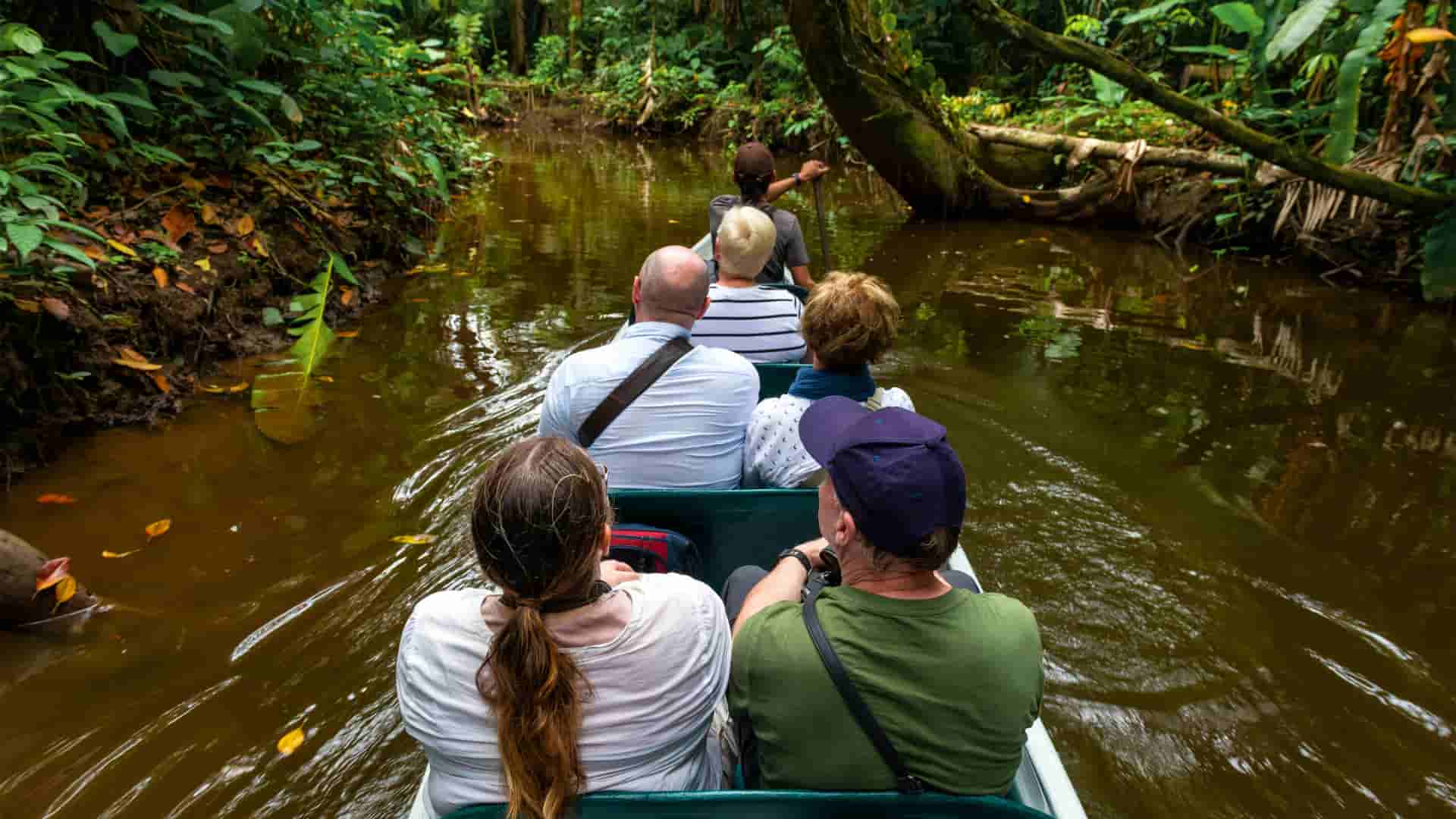
- The Amazon (Puerto Maldonado and the Tambopata area). Hot and humid all year, with an average of 26 °C and more than 2,000 mm of rain. The wettest stretch is October to April.
In short: the Andes decide the high season, the coast is a safe bet any month, and the Amazon is always green and always warm.
January to April: coastal summer, green Andes
These are the months many Canadians look at first, because they line up with the deepest part of our winter and with March Break.
- January. Peak summer on the coast: beach weather in Lima and sunny days in Paracas and Nazca. In Cusco it is the rainiest month, with around 156 mm of rain. Expect afternoon showers and lush green mountains.
- February. Midsummer on the coast: in Pisco, next to Paracas, average highs reach 27.7 °C. The classic Inca Trail closes for the whole month for maintenance, but Machu Picchu itself stays open and you can reach it by train. In Puno, the Virgen de la Candelaria festival fills the first half of the month (1 to 15 February in 2026).
- March. Still summer on the coast and still wet in the Andes, although the Inca Trail is open again (in 2026 it reopened on 1 March). Early March is grape harvest time in Ica: the Vendimia festival ran from 6 to 16 March in 2026.
- April. A lovely shoulder month. The rains ease in Cusco, the valleys are still green and the coast keeps its summer warmth.
If you want to trade snow for sunshine, our guide to escaping the Canadian winter in Peru goes deeper into this season.
May to August: dry season in the Andes
This is the dry season Peru is famous for, and the busiest time at Machu Picchu.
- May. A sweet spot for many travellers: dry days in Cusco and hillsides still green after the rains, just before the July and August peak.
- June. Clear skies and cold nights in the Andes. Cusco celebrates Inti Raymi on 24 June, which falls on the same day as Quebec's Fête nationale. The Qoyllur Riti pilgrimage begins 58 days after Easter Sunday, around 2 June in 2026 and around 25 May in 2027.
- July. Cusco's coldest month, with an average of 9.7 °C and nights below freezing, but also some of its sunniest days. Peru's national holidays, Fiestas Patrias, fall on 28 and 29 July. Together with the northern summer holidays, July and August are usually the busiest months at Machu Picchu.
- August. Still dry and bright in the mountains. On the coast it is winter: Lima is grey and cool, while the desert further south, around Nazca, stays rainless.
This is also when the coast is at its mildest. Paracas averages highs of about 20 °C in July, a pleasant contrast with February's heat.
September to December: the shoulder months
- September. The tail of the dry season in Cusco, once the July and August peak has passed. In the Amazon, August and September are among the warmest months.
- October. Cusco's warmest month, with highs around 21.7 °C, and the first showers of the rainy season. A good fit for the Thanksgiving long weekend if you stretch it into a longer trip.
- November. Rain becomes more frequent in the Andes. On the coast, the grey skies start to lift and the desert heats up.
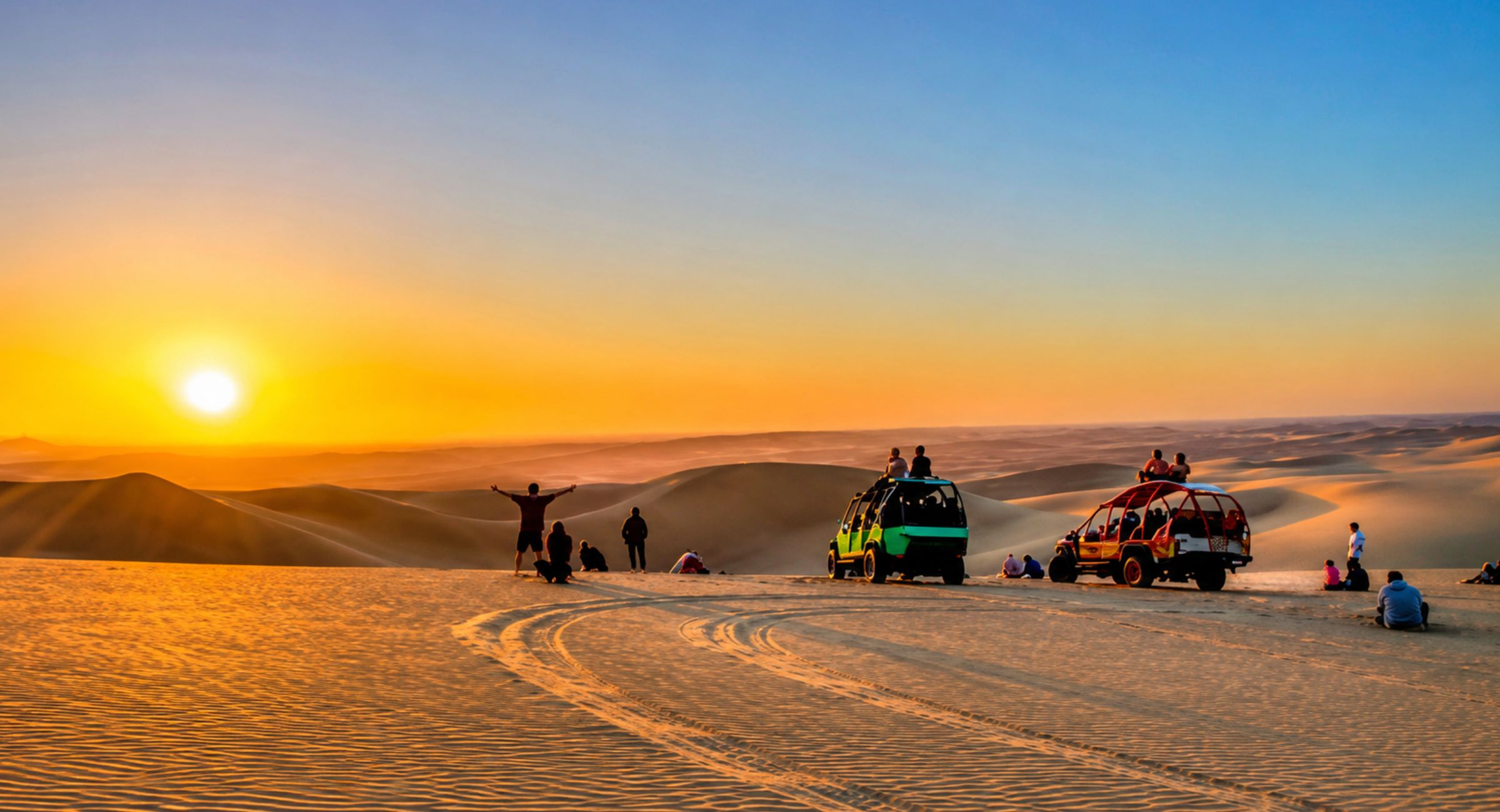
- December. Coastal summer arrives, perfect for Paracas and the dunes of Huacachina. The Andes are green and wet. Christmas and New Year are festive but popular dates, so book early.
The best time for Machu Picchu
For the classic postcard view, aim for May to September, when rain is least likely. Machu Picchu sits at 2,453 m, lower than Cusco, and ranges from 6 to 21 °C through the year. A few practical points:
- Dry season (May to September): clearer views and drier paths, but also the most visitors. Book train and entry tickets well ahead.
- Shoulder months (April and October): a good balance between dry spells and green scenery. October can still be busy, so book ahead.
- Rainy season (December to March): the citadel stays open and the clouds can be beautiful, but pack a rain jacket and allow flexible time. Remember the Inca Trail closes in February.
Whatever the month, plan a day or two to adjust to Cusco's altitude before any big outing. Our guide to altitude sickness in Cusco explains how. For an easy, well paced visit, our Machu Picchu Tour By Train (2 days, from USD 465 per person) handles the logistics for you.
The best time for Nazca and the coast: any month
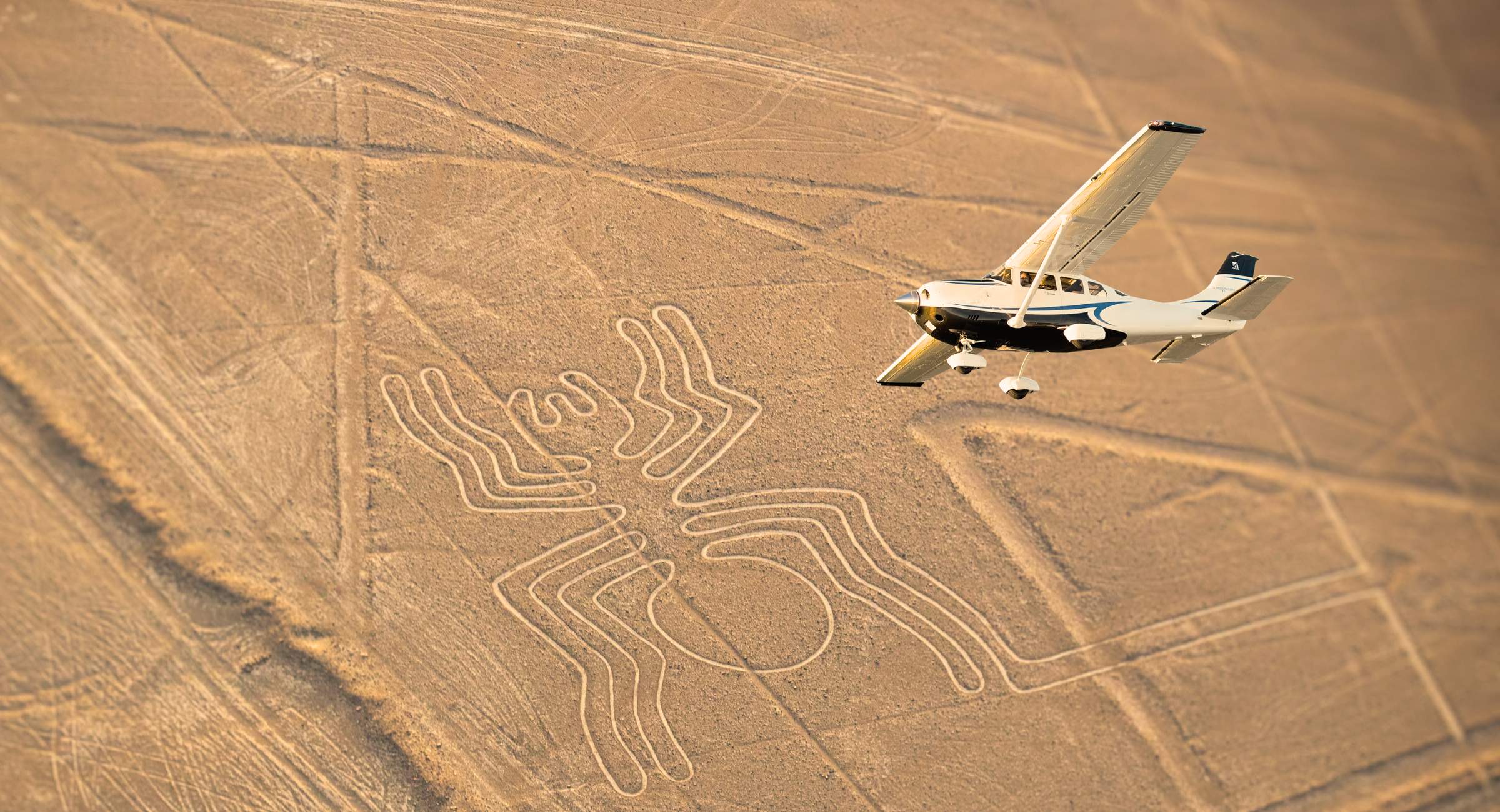
This is the part many travellers miss. Nazca gets about 4 mm of rain a year, and temperatures range from 10 to 32 °C. The Nazca Lines, the Ballestas Islands and the Huacachina oasis can be enjoyed in every month, which makes the coast the perfect partner for a rainy season trip to the Andes.
- November to March: dry and hot. Take a hat, sunscreen and plenty of water.
- June to September: cooler, with some coastal fog. Scenic flights only take off with enough visibility, so morning departures can be delayed. Build a little slack into your day.
The Government of Canada describes Pisco International Airport as the safest option for flights over the lines. Our Nazca Lines Scenic Flight From Pisco Airport (from USD 350) takes off from there. If you prefer a single private day from Lima, the Nazca Lines Full Day Tour From Lima (from USD 375) includes private transport, the flight, taxes and the viewing tower. With more time, the Paracas Huacachina Nazca Lines Tour (3 days, from USD 595) adds the islands and the dunes at a relaxed pace. You can compare every option on our Nazca Lines tours page.
Festivals worth planning around
- Virgen de la Candelaria, Puno (February): a celebration of music and dance inscribed by UNESCO as Intangible Cultural Heritage in 2014.
- Vendimia, Ica (first half of March): the grape harvest festival, easy to pair with Paracas and Nazca.
- Qoyllur Riti (late May or early June): a pilgrimage to the Sinakara sanctuary in the Cusco region that draws about 90,000 pilgrims, recognized by UNESCO in 2011. Read more in our Qoyllur Riti article.
- Inti Raymi, Cusco (24 June): the Festival of the Sun, staged at Qoricancha, the Plaza de Armas and Sacsayhuamán.
- Fiestas Patrias (28 and 29 July): Peru's national holidays, when many Peruvians travel too.
Festival dates fill hotels quickly. If one of these is the reason for your trip, start planning several months ahead.
The best time to visit Peru for your travel style
- You want Machu Picchu at its clearest: May, June or September.
- You want to escape the Canadian winter: January to March, focusing on the sunny coast and Nazca, with a flexible visit to Cusco.
- You want the whole country in one trip: April, May or October, when the Andes are mostly dry and the coast is pleasant. Our Amazing Peru package (13 days, from USD 2,990) combines Nazca, Machu Picchu and the Amazon.
- You want the Amazon at its driest: May to September. The Inca Amazon package (9 days, from USD 2,390) pairs Cusco with Tambopata.
- You want Nazca and the coast only: any month, truly.
If you are building a longer itinerary, our route for Machu Picchu and Nazca in 12 days can be adapted to any season, and you can browse all our Peru packages by length.
Plan your dates with us
Every private trip we organize starts with your dates and your interests, then we match the regions to the weather. Tell us when you can travel and what you most want to see, and we will suggest the best route for that month. Write to us, or try our trip planning assistant to sketch a first idea in a few minutes.
Frequently asked questions
What is the best month to visit Peru?
For most first time visitors, May and September are ideal: dry in the Andes for Machu Picchu, just before and after the July and August peak. The coast, including Nazca and Paracas, is dry in every month.
Can I visit Peru during the rainy season?
Yes. The rainy season mainly affects the Andes and the Amazon between October and April, with the heaviest rain from January to March. Machu Picchu stays open, and the coast, including the Nazca Lines, stays dry.
When is the Inca Trail closed?
The classic Inca Trail closes every February for maintenance and for safety during the rains. Machu Picchu itself stays open and can be reached by train.
When is the best time to fly over the Nazca Lines?
Any month. Nazca gets about 4 mm of rain a year. From June to September, morning fog can delay take off, so it helps to keep your schedule flexible. From November to March it is hot and clear.
Is Peru a good destination during March Break?
Yes, especially for the coast. March is summer in Lima, Paracas and Nazca, and the Ica grape harvest festival usually takes place in the first half of the month. The Andes are still in the rainy season, so plan Cusco with some flexibility.


