
Paracas, the Ballestas Islands and Huacachina: a warm week on Peru's coast
· 8 min read

If you want sun, sea air and desert scenery without the altitude of the Andes, a week between Paracas and Huacachina is one of the easiest trips Peru offers. You spend two or three nights by the ocean for the Ballestas Islands and the Paracas Reserve, move inland to the Huacachina oasis and the vineyards of Ica, then finish with a flight over the Nazca Lines. Everything sits close to sea level, rain is almost unheard of, and the pace can stay as relaxed as you like.
This plan is written for travellers leaving Toronto, Montreal, Vancouver or Calgary who prefer a private driver, a local guide and a well organised schedule over a packed group coach.
Why Paracas and Huacachina work so well from Canada
The south coast is a desert that meets the Pacific, and that makes it very predictable. Pisco, the gateway to Paracas, gets about 1.5 mm of rain a year. Ica and Huacachina get roughly 1 cm, and Nazca about 4 mm. From December to March the coast is in full summer: the average high in Pisco reaches 27.7 C in February, which feels a long way from a January morning in Calgary.
- Low altitude: Nazca sits at about 520 m and the rest of the route is at or near sea level, so there is no altitude adjustment to plan around.
- Easy flights in winter: Air Canada flies non stop from Toronto and Montreal to Lima in the winter season, and its 2026 to 2027 season resumes on 24 October (Toronto) and 25 October (Montreal) with three flights a week. Air Transat has also served Lima from both cities.
- No jet lag from the east: in winter, Ontario and Quebec share Lima's clock. From British Columbia, Lima is two hours ahead all year.
- Simple entry: Canadians do not need a tourist visa for stays under 90 days. Your passport should be valid for at least six months after arrival.
There is no non stop flight from Vancouver or Calgary, so travellers from the west need a connecting flight. If you are still weighing dates and flights, our guide to escaping the Canadian winter in Peru covers the season in more detail.
Days 1 and 2: Paracas, the Ballestas Islands and the Reserve
A private transfer takes you south from Lima along the Pan American Highway to Paracas. Arrive, check in, and if you still have energy, join the Golden Shadows Trek (4 hours, from USD 37), a desert walk timed for sunset that is a gentle way to stretch your legs after the drive.
The next morning is for the sea. The Tour to the Ballestas Islands (2 hours, from USD 29) is a speedboat ride past the Paracas Candelabra, the giant figure etched into a sandy hillside above the cliffs, and out to rocky islands home to sea lions, Humboldt penguins, pelicans and Inca terns. Boats leave at 8:00 or 10:00 with hotel pickup, so this is the one activity worth an early alarm.
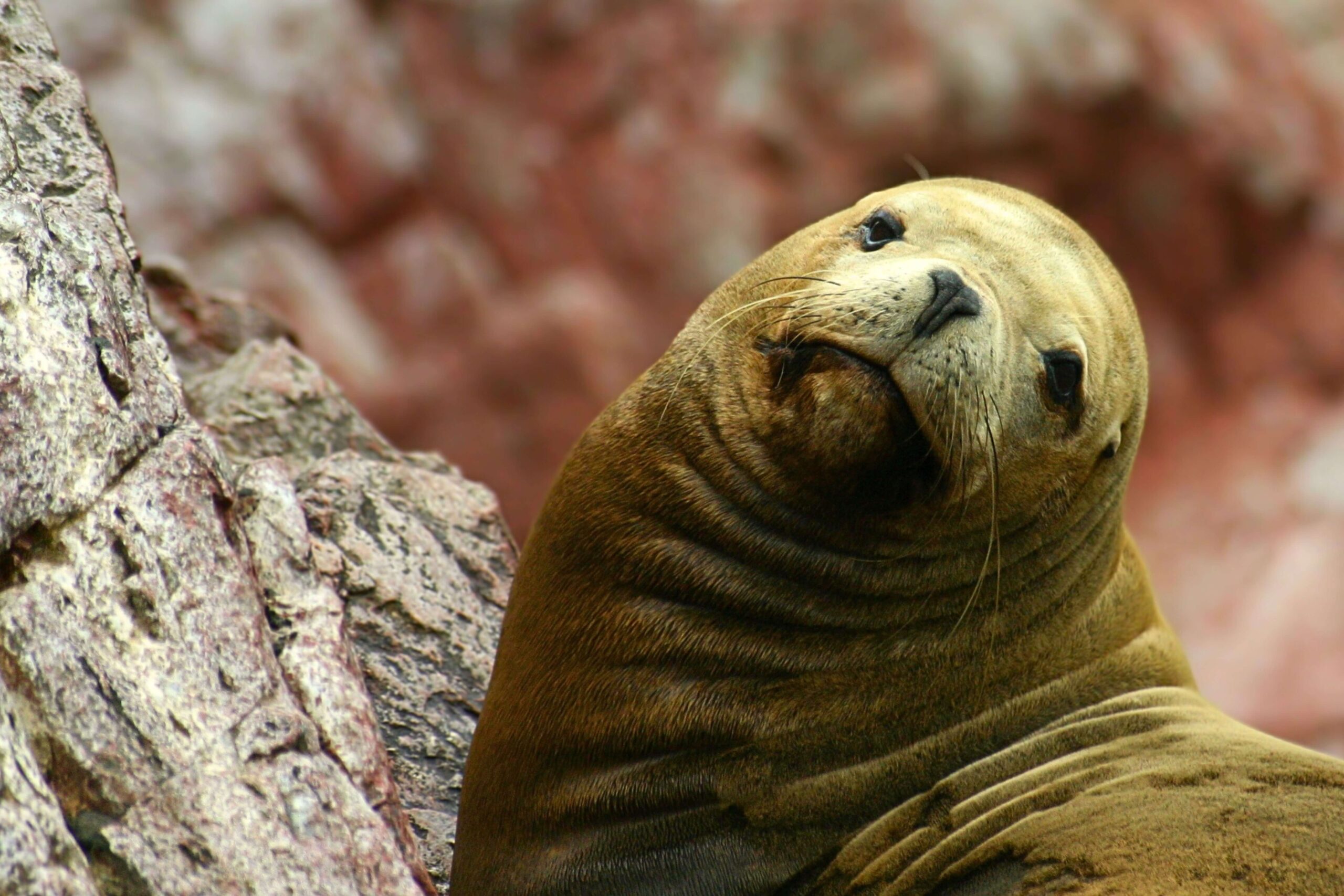
Later that morning, the Paracas Bay Tour (from USD 50) picks you up at 10:30 for a private drive through the Paracas National Reserve: the interpretation centre, flamingos in the bay, panoramic viewpoints and the famous Red Beach, with you back at your hotel around 2:00 pm. If you only have a single day for the coast, the Tour to Paracas (1 day, from USD 245) is a full day trip from Lima that combines the Ballestas Islands and the Reserve.
Day 3: a hidden desert lagoon at Oasis Moron
Instead of heading straight to Huacachina, we suggest a middle day at Oasis Moron, a lagoon hidden among the dunes that far fewer travellers reach. The Oasis Moron Tour from Paracas (4 hours, from USD 95) picks you up at 10:30 for a buggy ride across the dunes and a stop to try sandboarding, then gives you time at the lagoon to relax, swim or take photos before you are back at your hotel around 2:00 pm for a late lunch by the ocean.
It is a good example of what a private itinerary allows: a free afternoon, no rush, and the option to swap activities around the weather or your energy level. If one buggy ride on the trip is enough for you, keep this day for the beach and the hotel pool instead.
Days 4 and 5: Huacachina sandboarding and Ica's vineyards
On day four your driver takes you inland to Huacachina, a lagoon ringed by palm trees and towering sand dunes. The classic way to see them is the Huacachina Dune Buggy Tour (1 hour, from USD 55), in a private buggy with your own driver, photo stops and sand boards included. The departure time is on request, and late afternoon is a lovely choice: the sand turns gold and the heat eases.
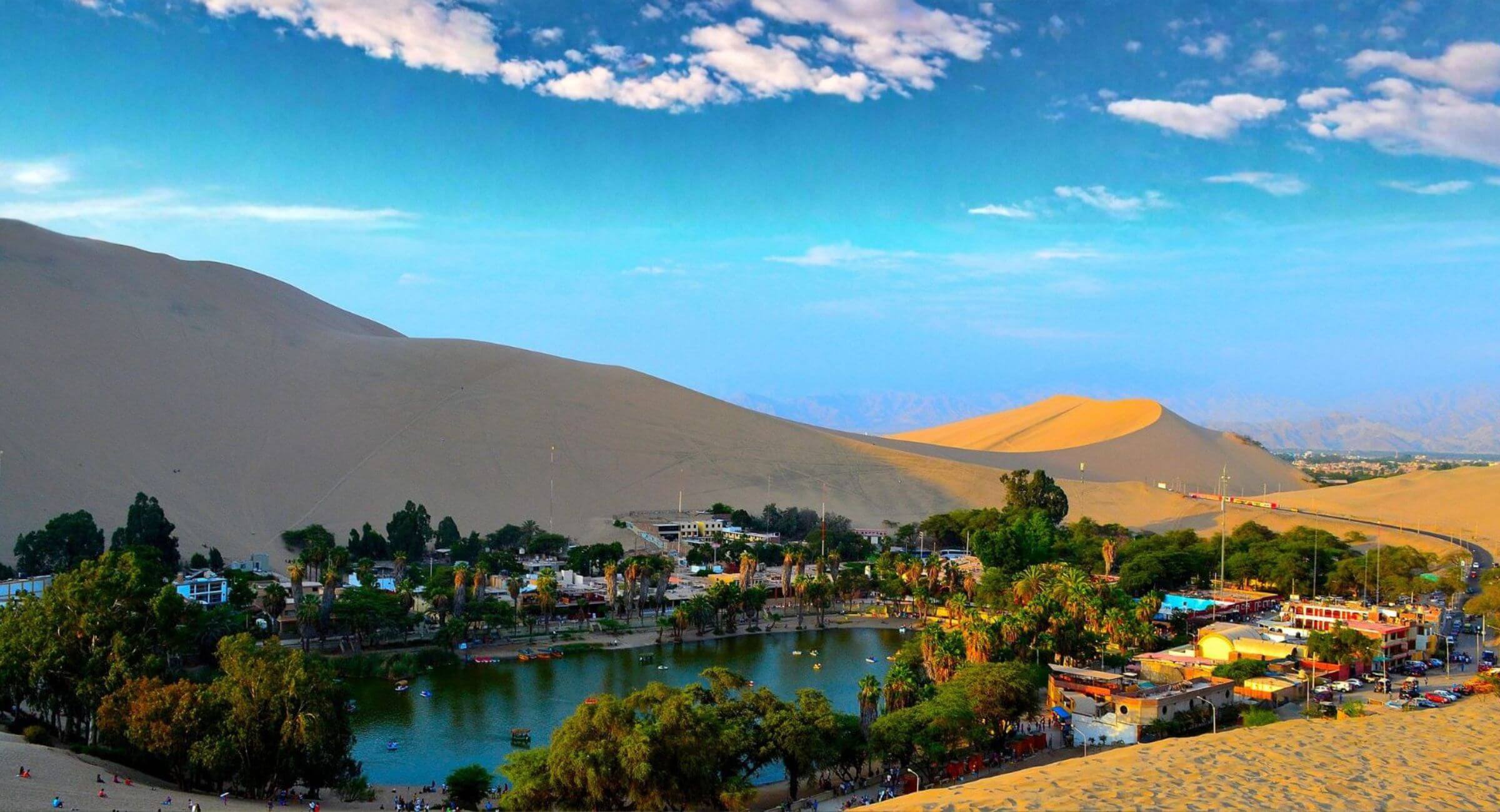
Huacachina sandboarding is part of the fun and entirely optional. You can ride sitting or lying on the board rather than standing, which is slower and much gentler on the knees. If the buggy ride sounds too lively, tell us and we will plan a calmer walk to a viewpoint instead.
Day five is your easy day. Ica is the heart of Peru's wine and pisco country, and a morning at one of its bodegas, followed by a long lunch, suits the rhythm of this trip well. Ask us and we will suggest options for your dates. If you travel in early March, you may coincide with the Vendimia, Ica's grape harvest festival, which ran from 6 to 16 March in 2026.
Day 6: finish with the Nazca Lines
The final highlight is the one many travellers come for. From Ica, the Nazca Lines Flight from Ica (6 hours, from USD 250) picks you up at your hotel in Ica or Huacachina at 8:00, stops at the Palpa geoglyphs and the Nazca Lines viewing tower, and includes a 35 minute flight over figures such as the Monkey, the Hummingbird and the Astronaut, with taxes included and you back at your hotel around 2:00 pm. If you prefer to base yourself in Nazca, the Nazca Lines Flight (35 minutes, from USD 100) or the Nazca Lines Private Flight (1 hour, from USD 150) leave from the Nazca aerodrome.
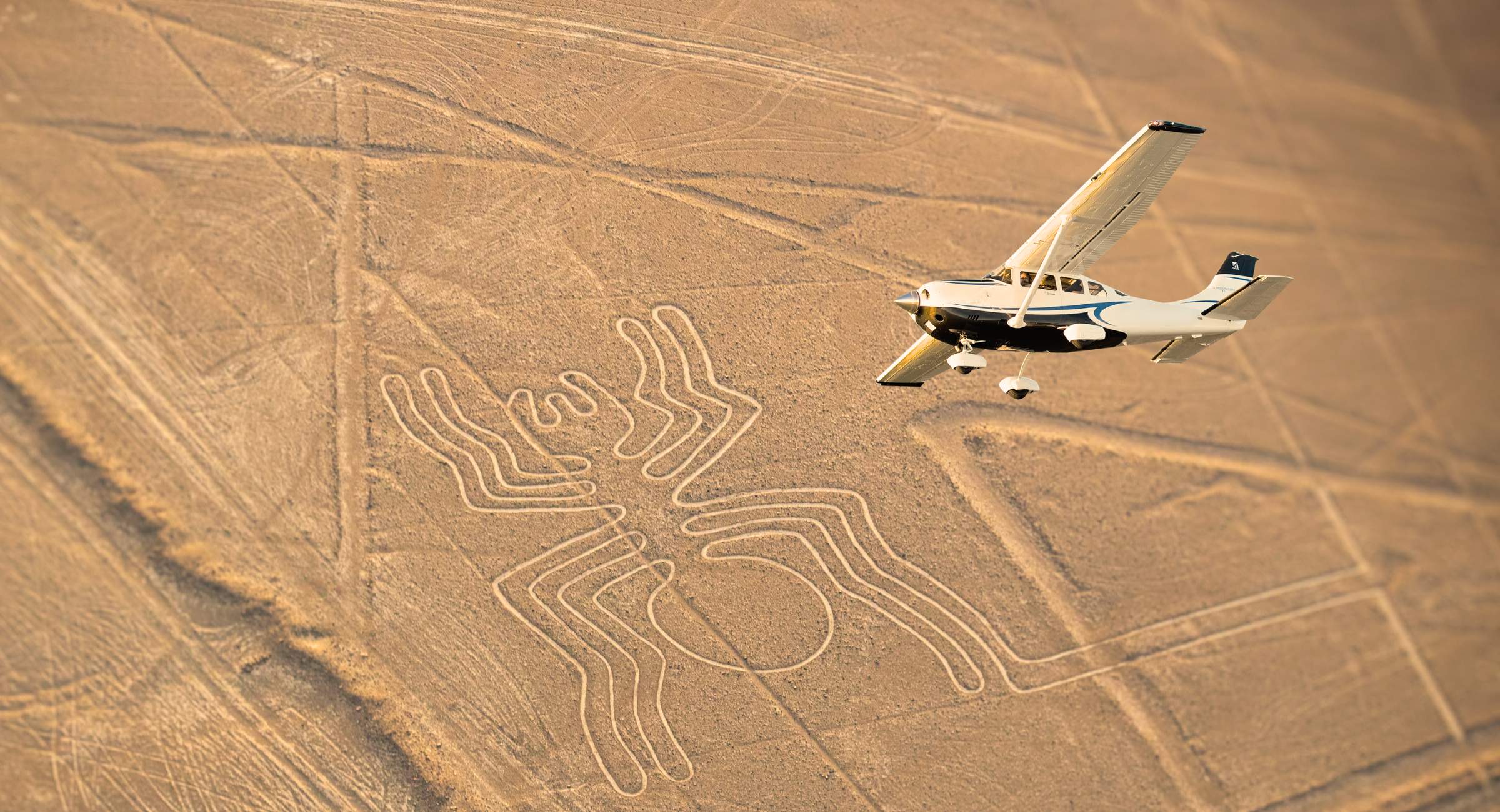
Some useful points before you book:
- The Government of Canada describes Pisco International Airport as the safest option for Nazca flights and recommends a certified operator. The Nazca Lines Scenic Flight from Pisco Airport (from USD 350) fits neatly into your Paracas days if you prefer that route.
- If you fly from the Nazca aerodrome, an airport tax of S/ 30 and a tourist ticket of S/ 47 per person are paid before boarding, so carry some soles. On the flight from Ica, these are already included.
- Arrive 30 minutes early, eat something light, and take motion sickness medication about 30 minutes before the flight if you are prone to it.
- Flights leave only with good visibility, so morning fog can cause delays. A flexible afternoon is always a good idea.
- Aircraft have a weight limit per passenger. Ask us for the figure for your flight when you book.
With extra time in Nazca, add the Tour to Chauchilla Cemetery (2 hours, from USD 25) or the spiral stone Aqueducts of Cantayo (2 hours, from USD 25). To compare departure points in depth, read where to fly over the Nazca Lines, and for the history behind the figures, our article on the Nazca Lines.
Day 7: back to Lima
Ica sits on the Pan American Highway between Lima and Nazca, so the drive back is shorter than from Nazca, which is about 440 to 454 km from the capital and roughly six hours in a private vehicle without stops. Allow extra time for Lima traffic. A private transfer lets you break the journey for lunch and time your arrival for an evening flight or a final night in the capital.
Short on time? Ready made coast tours
If a full week does not fit your holiday, these tours cover the same highlights in less time:
- Paracas Huacachina Nazca Lines Tour: 3 days, from USD 595. The whole route in a compact format.
- Huacachina and Paracas 2 Days Trip: 2 days, from USD 340.
- Tour to the Ballestas Islands and Huacachina: 1 day, from USD 320.
- Paracas and Nazca Lines Tour: 2 days, from USD 495.
Prices are per person, in US dollars, and are starting prices. You can see every departure point and option on our Nazca Lines tours page.
Practical tips for a comfortable coast trip
- Pack for sun and cool evenings: a hat, sunscreen and sunglasses for the day, and a light jacket for the boat and the desert after dark.
- Pick your season: December to March is hot and sunny. In July, highs in Pisco are closer to 20 C, which is pleasant for walking.
- Get travel insurance: the Canadian government recommends a policy that covers medical evacuation and hospital stays.
- Bring cash: small bills in soles are handy for airport fees, tips and snacks.
- Pair it with the Andes: the coast combines well with Cusco and Machu Picchu. Our packages show longer routes you can adapt.
Plan your warm week with us
Everything on this page, from a single Paracas private tour to the full week, can be arranged as a private itinerary, with your own driver and guide and a schedule built around the pace you enjoy. Write to us with your dates and the city you are flying from, and we will send you a proposal. If you would like to explore ideas first, try our trip planning assistant.
Frequently asked questions
How many days do I need for Paracas and Huacachina?
Two days cover the highlights, and our Huacachina and Paracas 2 Days Trip starts from USD 340 per person. A full week lets you add Oasis Moron, a quiet day in Ica and a Nazca Lines flight at a relaxed pace.
Is the Ballestas Islands tour suitable for older travellers?
Generally, yes. The Tour to the Ballestas Islands is a 2 hour speedboat trip, from USD 29, with hotel pickup in Paracas and no hiking involved. You only need to step on and off the boat at the harbour, and the crew provides life jackets.
Do I have to try sandboarding in Huacachina?
No. Sandboarding is optional, and you can ride sitting or lying on the board, which is much gentler. You can also enjoy the Huacachina Dune Buggy Tour, from USD 55, and simply take in the views from the top of the dunes.
When is the best time for a Peru coast trip from Canada?
December to March is the coastal summer, with highs near 28 C in Pisco in February, and it matches the Air Canada winter flights from Toronto and Montreal. The south coast is dry all year, so it also works in other months with milder temperatures.
Is altitude a problem on this route?
No. Paracas, Huacachina and Ica are close to sea level and Nazca sits at about 520 m. Altitude sickness is a concern above 2,500 m, in places such as Cusco and Puno, not on the coast.
Where is the safest place to fly over the Nazca Lines?
The Government of Canada describes Pisco International Airport as the safest option and recommends a certified operator. Our Nazca Lines Scenic Flight from Pisco Airport starts from USD 350 per person, and we also offer flights from Ica and Nazca.


